
Smart Gifts That Actually Grow Readers
Nov 22, 2025
If Mrs. Claus followed
The Reading Professor ...
She’d make sure these 5 things were on the sleigh!
Mrs. Claus would make sure every child had...
1. A Book They Love
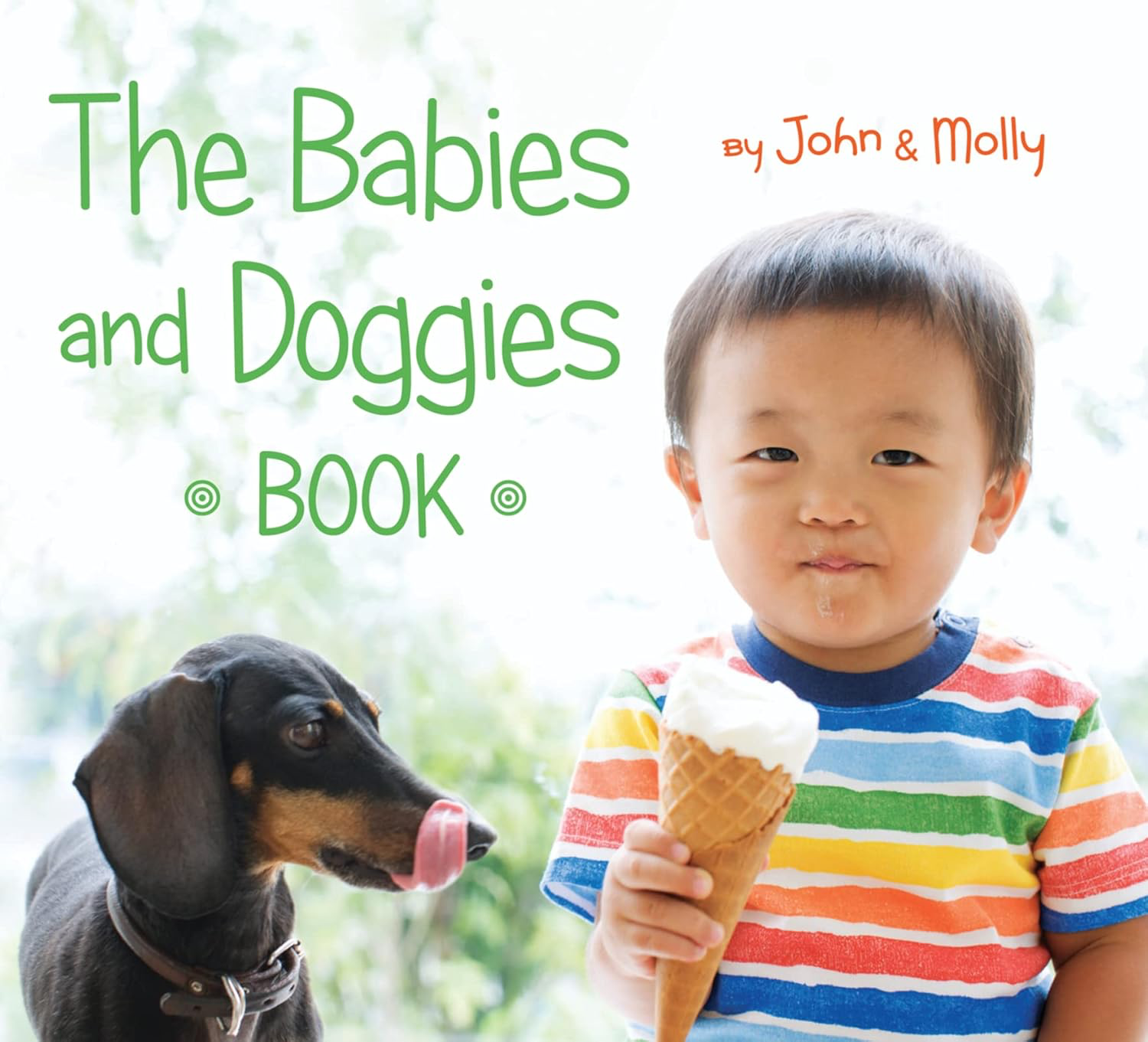
BABY BOOKS
What matters at this stage: building the habit of connection, language, and rhythm through simple, sensory-rich books.
Look for books with
- rhythm,
- repetition,
- high-contrast images,
- and real faces.
Babies learn through sound, pattern, and seeing your face as you read.
CLICK HERE for Fave Baby Books
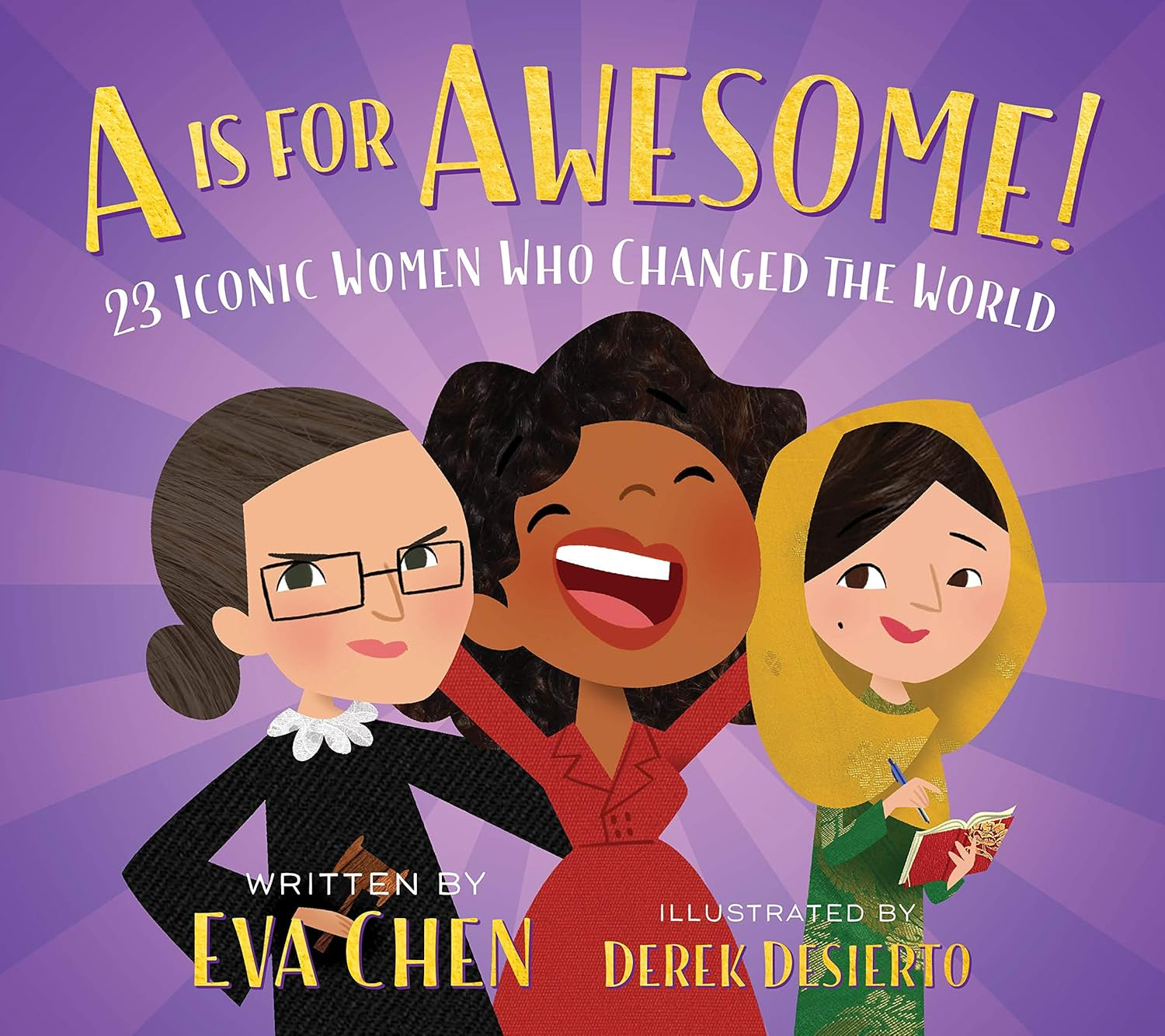
TODDLER BOOKS
What matters at this stage: books that fuel naming, pointing, moving, talking, and back and forth conversation—because toddlers learn by doing.
Look for playful books with
- rhythm,
- repetition,
- interactive parts they can touch and move,
- and pictures toddlers love to talk about.
CLICK HERE for Fave Toddler Books
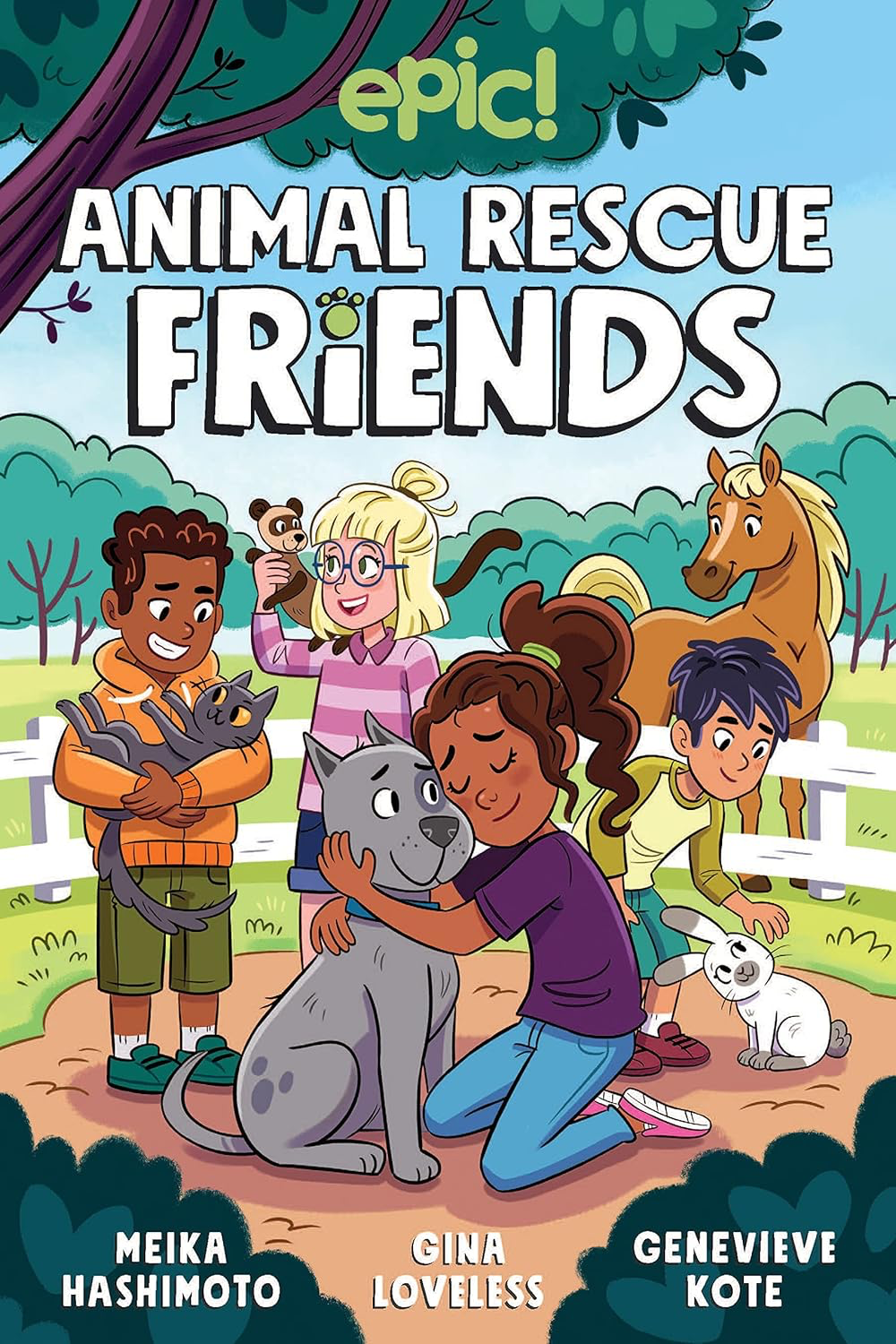
PRESCHOOLER BOOKS
What matters at this stage: stories that grow vocabulary, spark curiosity, and invite kids to retell and interact.
Look for books with
- rich language,
- clear story arcs,
- lovable characters,
- and moments that spark conversation, movement, and child-led retelling.
CLICK HERE for Fave Preschooler Books

EARLY ELEMENTARY BOOKS
What matters most: books that strengthen decoding while keeping confidence and motivation high.
Look for
- decodable readers to strengthen decoding,
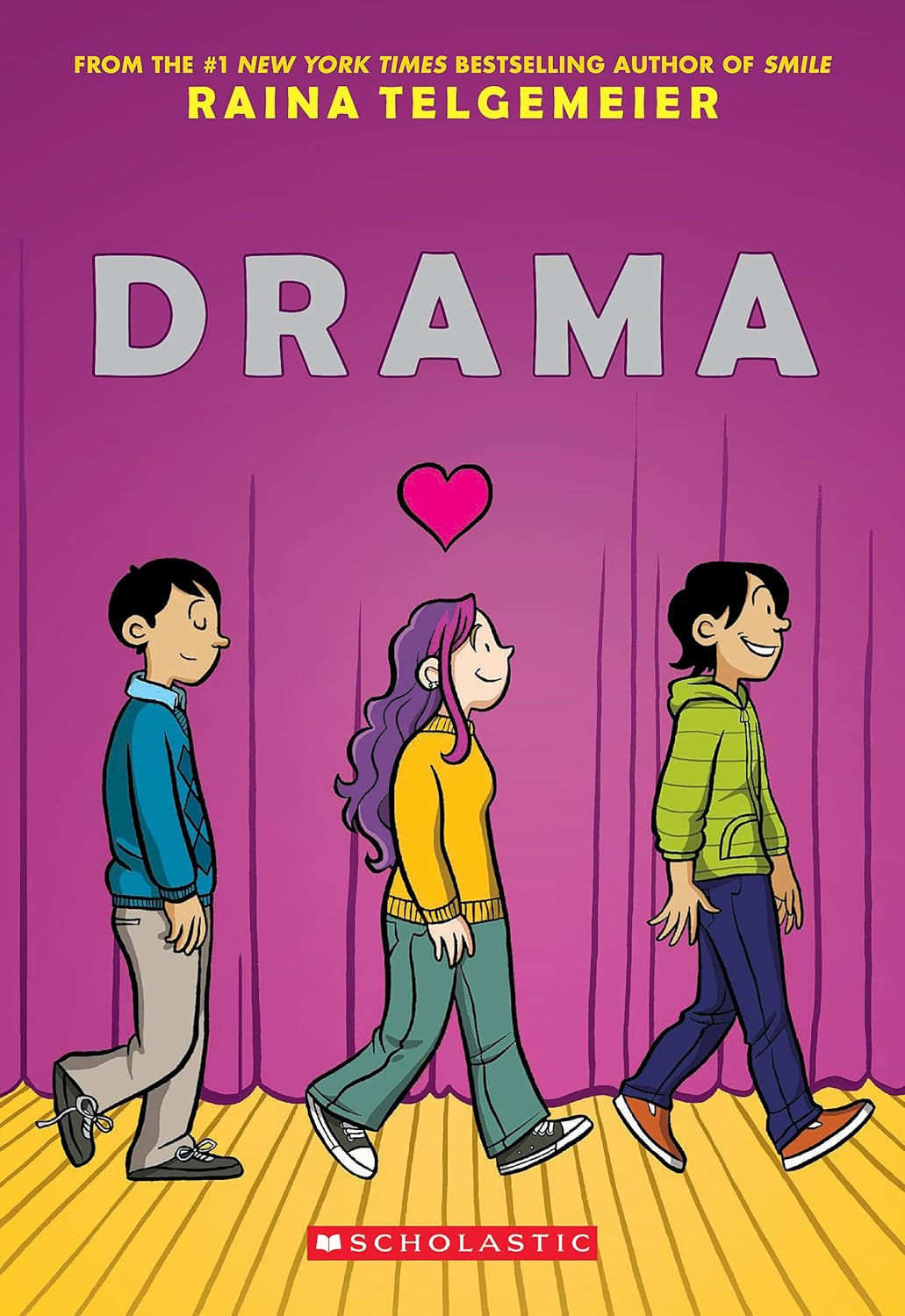
- engaging graphic novels to boost independence and motivation,
- and rich picture books you read aloud to build vocabulary and comprehension through discussion.
CLICK HERE for Fave Early Elementary Books
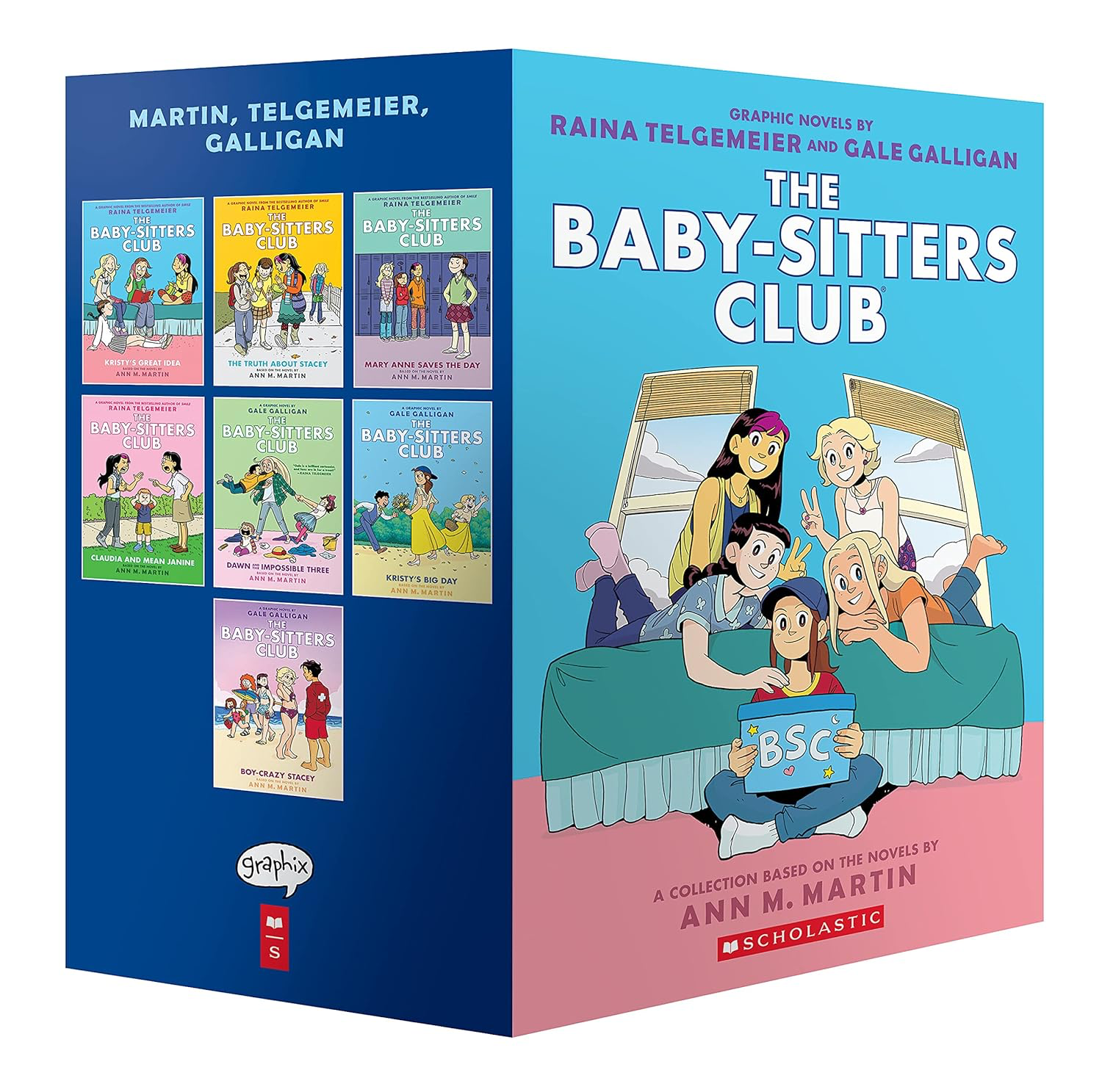
ELEMENTARY BOOKS
What matters at this stage: high-interest series and graphic novels that build stamina, vocabulary, and deep comprehension.
Look for
- series,
- graphic novels,
- and early chapter books
- that deepen comprehension, expand vocabulary, and keep motivation sky-high.
- And still throw in picture books (with strong themes)!
CLICK HERE for Fave Elementary Books
TWEEN BOOKS
What matters at this stage: complex, engaging stories that match their interests and support growing identity and empathy.
Choose novels, nonfiction, and graphic novels with complex characters, deeper themes, and topics they genuinely care about—because engagement drives growth.
2. A Place to Read
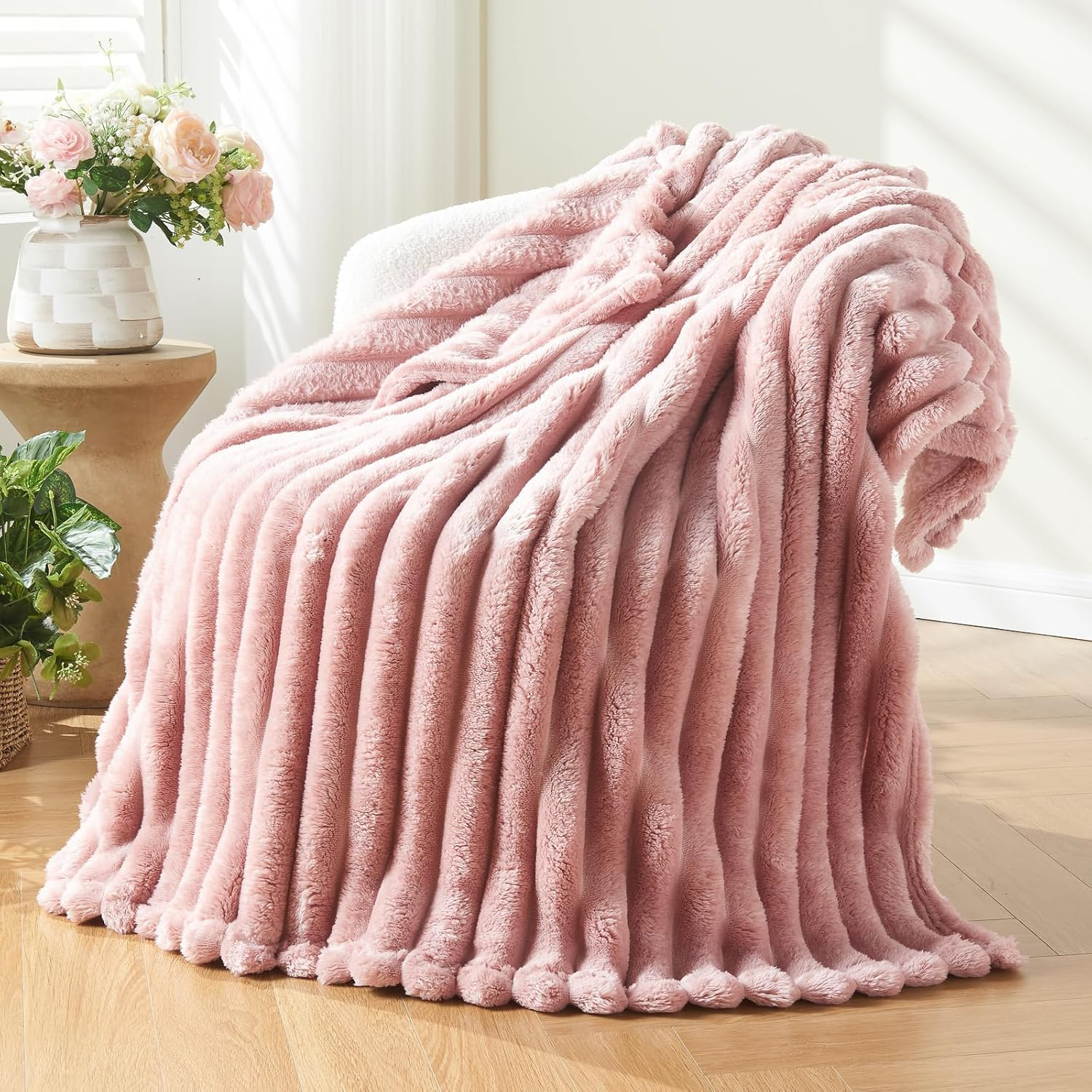
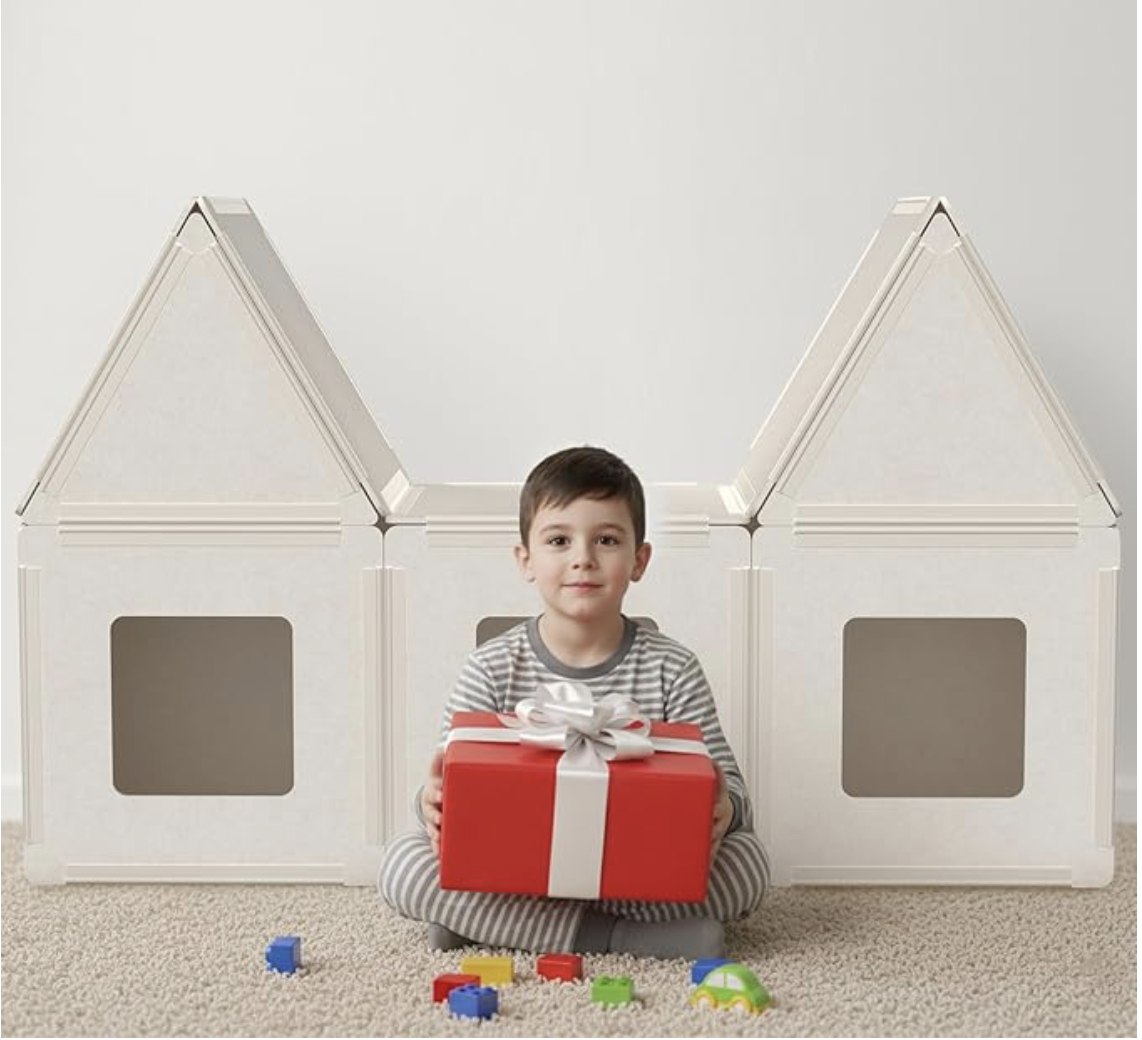
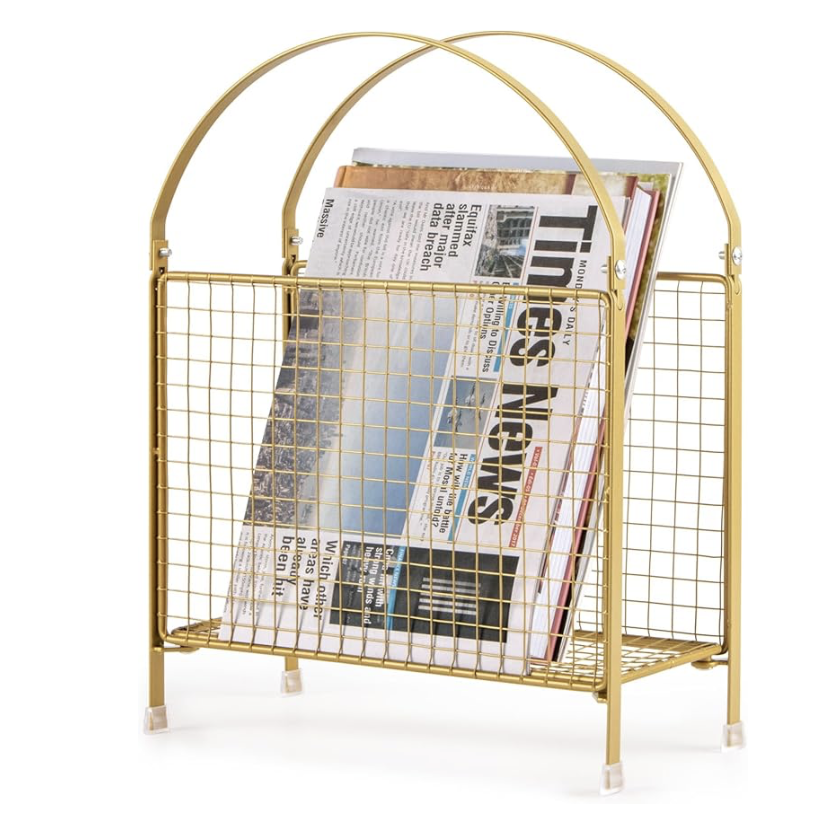
Because a warm, inviting space builds motivation and creates a print-rich environment.
Look for cozy, inviting elements (comfy and fun seating, baskets of books, bookstands, and outward facing book shelves) that make reading feel like the easiest, most natural choice.
CLICK HERE for ALL ideas for a Cozy Space to Read
3. A Story to Hear
Because audiobooks build vocabulary, listening skills, and comprehension.
For toddlers and preschoolers, I love the Toniebox!

The Toniebox is great for toddlers at home, but in my opinion, it’s not ideal for travel since the characters are difficult to pack and carry. If you are planning to use this while traveling, I prefer the Yoto Player (linked below).
We love the Yoto player for all ages!

And we love to use Alexa devices for listening to podcasts or books we have purchased on Audible!

Click here for all ideas for a "Story to Hear"
4. A Decoding Tool
Because kids need strong phonics to become confident, independent readers.
Decoding is how children turn letters and letter patterns into the sounds that make up spoken words.
For younger children, keep magnetic letters on the fridge and have fun talking about their sounds!
- Point out connections to people your child knows—like, “Your best friend is Mabel, Mabel starts with an M!"
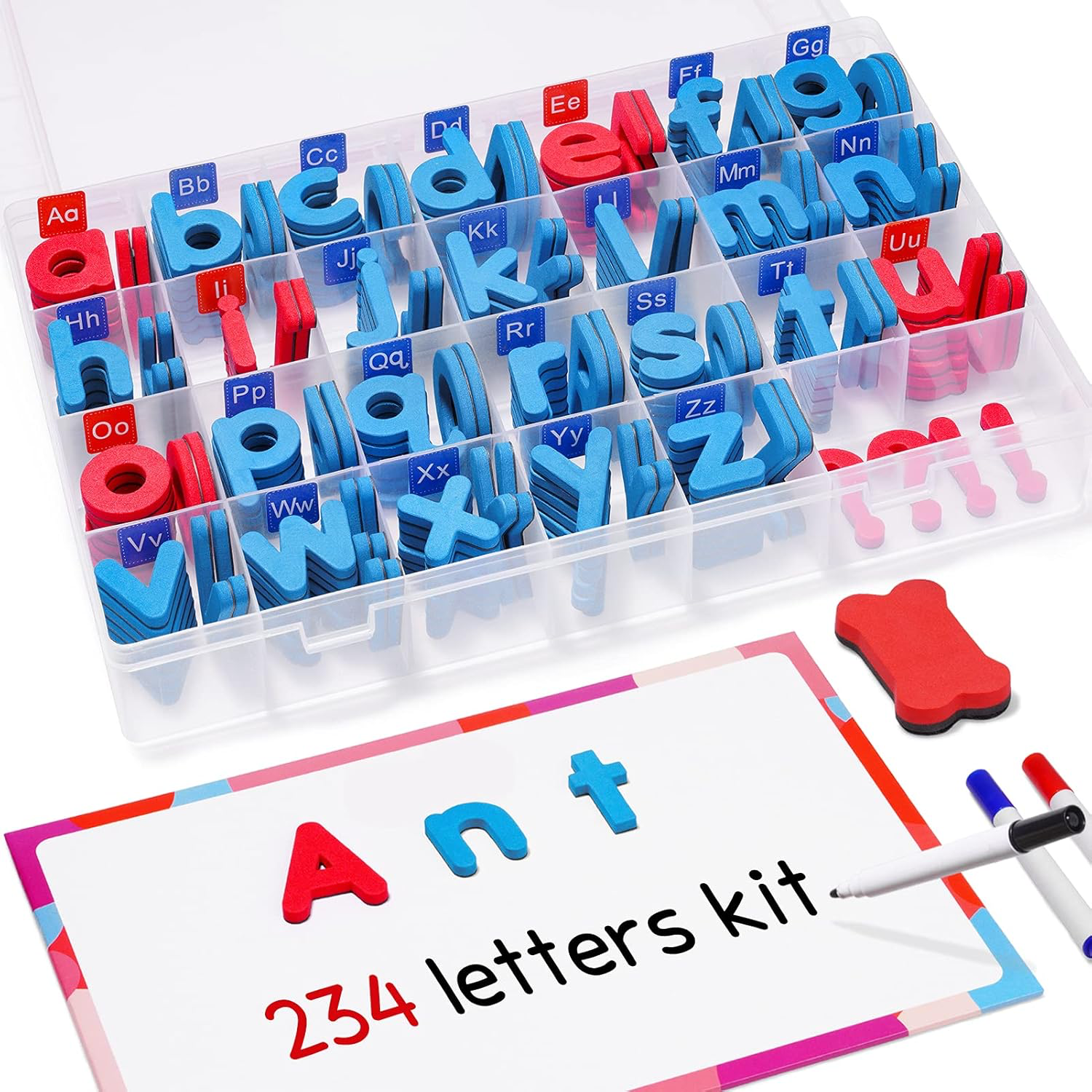
For early elementary children, get phonics tiles and talk about how when letters group together, they make different sounds.

Keep a small whiteboard handy to show how words can be broken into smaller parts. When children are learning sounds, point out that some sounds use more than one letter. As they get older, help them break words into syllables. This teaches them to “chunk” words into smaller, easier-to-remember parts.

For middle and upper elementary kids, keep magnetic poetry on the fridge so they can see words often and have fun building silly or creative sentences.
We love these games—they help build strong word skills!


Click here for all ideas for A Decoding Tool
5. A Writing Tool
Because writing strengthens reading—and helps kids grow their own ideas.
Let’s look for real-life ways for kids to write about things that matter to them.
Like all of their favorite adventures

or tell their favorite story through comics

or write letters to their friends and family on fun stationery

with their favorite pens!

or write a pass back and forth journal (my daughters love this)

or play "teacher" with the best whiteboard ever!

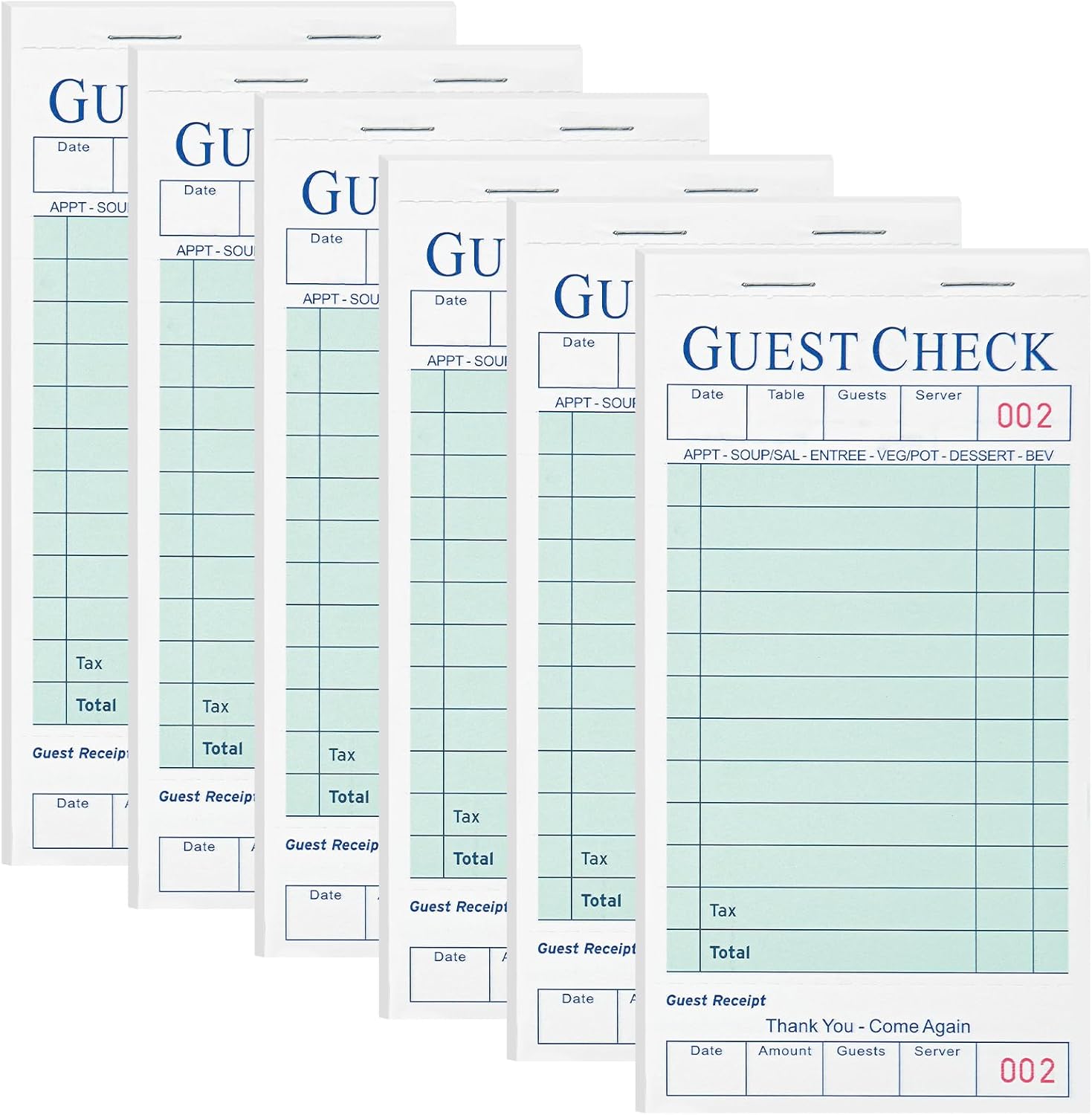
or play restaurant with the best restaurant pads!
|
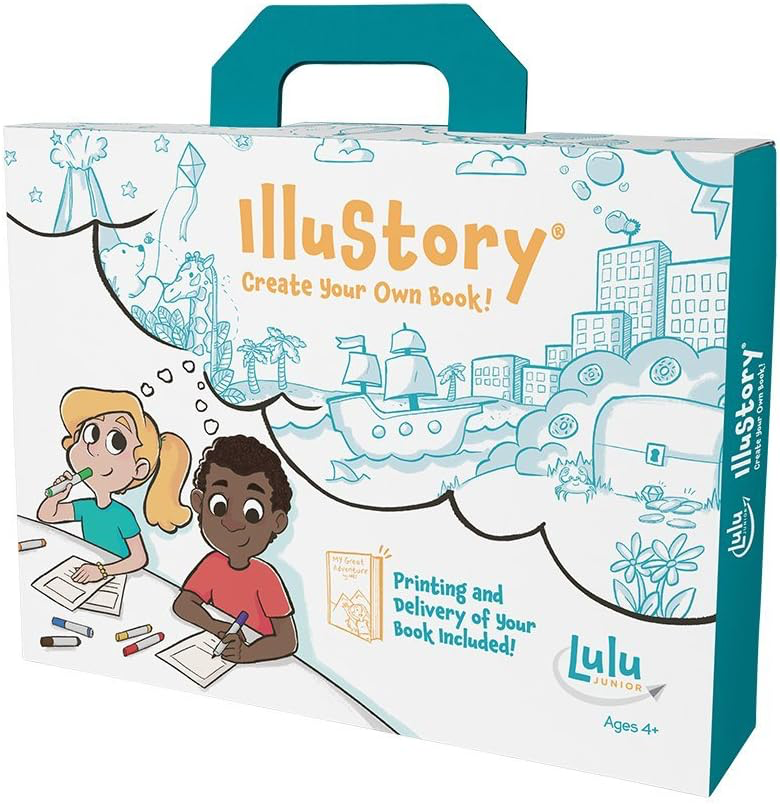
Or what I'm giving my kids this year- write, illustrate AND PUBLISH your own story (they send you the published book)!
and work on all of these projects on the best table ever!

Click here for all ideas for A Writing Tool
Mrs. Claus knows what really grows readers… and now you do too.
The 5 essentials every child needs:
- A book they love
- A place to read
- A story to hear
- A decoding tool
- A writing tool
Get this month's free booklist here!
Curated themed books + expert prompts = memorable storytime.
I'll help you fill their childhood with stories they'll never forget!
We hate SPAM. We will never sell your information, for any reason.